Branding isn’t your logo or color scheme, though those are part of it. It’s not your tagline or your Instagram aesthetic, though those matter too. Branding is the entire impression your business creates — the feeling people get when they interact with you, the associations they form, the reasons they choose you over someone else selling similar things.
Think about brands you actually notice. You probably can’t articulate exactly why you prefer one over another, but the preference exists. That’s branding working. It’s the accumulated effect of every touchpoint, every interaction, every detail that shapes how people perceive and remember your business.
For eCommerce stores, branding determines whether customers see you as just another place to buy products or as something worth returning to and recommending. Strong branding creates loyalty, justifies better pricing, and turns one-time buyers into repeat customers. Weak branding makes you forgettable.
Why Branding Matters for Online Stores
Online shopping removes most sensory experiences. Customers can’t touch products, smell them, try them on, or talk to someone face-to-face. Your branding fills that gap. It creates the emotional connection that physical retail gets from atmosphere, service, and tangible experience.
Branding also solves a practical problem: trust. When someone lands on your store for the first time, they’re deciding whether you’re legitimate, whether your products are quality, whether you’ll actually ship what they order. Strong branding answers those questions before customers consciously ask them.
The competitive advantage matters too. Thousands of stores sell similar products at similar prices. Branding is often what tips the decision in your favor. People buy from businesses that feel right to them — professional, trustworthy, aligned with their values, or simply more appealing than alternatives.
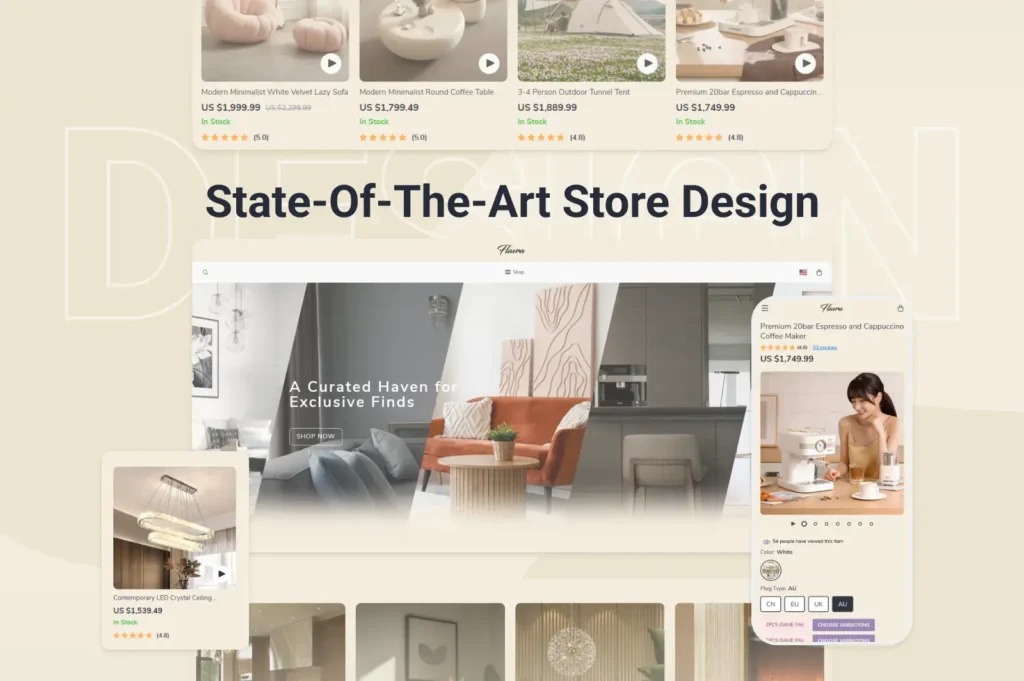
When you acquire a store through Offiro, you’re getting established branding along with the business. The store already has visual identity, tone, and customer perception. You’re stepping into something with existing brand equity rather than building recognition from zero.
The Core Elements of Brand Identity
Visual Identity
Visual identity is what people see — logos, colors, fonts, imagery, overall design aesthetic. These elements create instant recognition and communicate personality before anyone reads a word.
Color choices signal different things. Bold colors feel energetic. Muted tones feel sophisticated. Bright primaries feel playful. Your color palette should match the impression you want to create and appeal to your specific audience.
Typography matters more than most people realize. Modern sans-serif fonts feel clean and contemporary. Serif fonts feel traditional or premium. Script fonts feel personal or elegant. The fonts you choose communicate before customers process actual content.
Photography and imagery style creates substantial impact. Lifestyle photos showing products in use feel aspirational. Clean product shots on white backgrounds feel professional. User-generated content feels authentic. The imagery approach you take shapes how people perceive your brand’s personality.
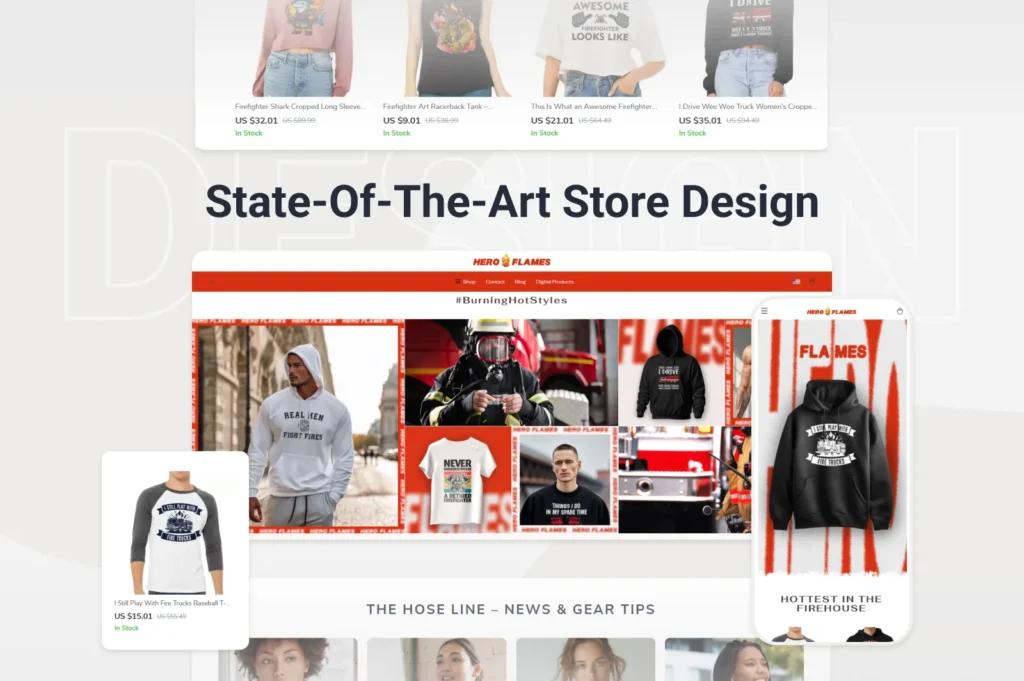
Offiro stores come with a professional visual identity already established. The design, colors, imagery — all tested and refined. You’re acquiring stores with proven visual branding that already resonates with their customer base.
Brand Voice and Messaging
Brand voice is how you communicate — formal or casual, technical or accessible, playful or serious. Consistent voice across all customer touchpoints creates cohesive brand experience.
Your product descriptions, emails, social media, customer service responses — they should all sound like they come from the same business with the same personality. Inconsistent voice confuses customers and weakens brand perception.
Messaging clarity matters as much as voice. What do you actually stand for? What problems do you solve? Why should customers choose you? Clear messaging makes these answers obvious without requiring customers to figure it out themselves.
Established Offiro stores have developed brand voice through real customer interactions. The messaging exists in product descriptions, email templates, website copy. You’re inheriting a communication style that already works rather than inventing one from scratch.
Brand Values and Positioning
Brand values are what your business stands for beyond selling products. Sustainability, craftsmanship, affordability, innovation, community — whatever matters to your target audience and differentiates you from competitors.
Values aren’t just marketing language. They influence actual business decisions — which products you carry, how you package items, what causes you support, how you treat customers. Authentic values create authentic branding.
Positioning defines where you sit in the market. Clear positioning helps customers understand immediately whether you’re right for them.
When you buy through Offiro, the store’s positioning is already established through its product selection, pricing, and customer base. You can see exactly where the business sits in its market and who it serves.
How Branding Affects Customer Behavior
Recognition and Recall
Strong branding makes your store memorable. When customers need what you sell, you come to mind. This recall advantage is huge — being remembered means being considered when purchase decisions happen.
Recognition also builds trust through familiarity. People feel more comfortable buying from businesses they recognize, even if they’ve never purchased before. Repeated exposure through consistent branding creates that familiarity.
Emotional Connection
Branding creates feelings beyond rational product assessment. People develop preferences, loyalties, and connections that influence purchase decisions as much as price or features.
This emotional component drives repeat purchases and recommendations. Customers return not just because your products work but because buying from you feels right. They recommend you not just because you have good stuff but because they want others to experience what they experienced.
Perceived Value
Branding directly affects how much customers think your products are worth. Identical products with different branding command different prices because perceived value differs.
Strong branding justifies premium pricing. Customers willingly pay more when they perceive higher value — whether through quality signals, brand prestige, or alignment with personal identity. Weak branding pushes you toward competing primarily on price.
Building Brand Consistency
Consistency is what makes branding work. Every customer interaction should reinforce the same impression, the same personality, the same values. Inconsistency confuses customers and dilutes brand strength.
This means your website, packaging, emails, social media, customer service — everything — should feel cohesive. Not identical, but clearly coming from the same business with the same character.
Consistency also builds trust. When customers know what to expect from you, they feel confident choosing you. Unpredictable experiences create uncertainty that reduces conversion and retention.
Offiro stores maintain brand consistency through their existing systems and templates. Email communications, product presentation, customer service approach — the consistency is already built into operations.
Branding for Different Audiences
Different customer segments respond to different branding approaches. Understanding your audience determines which branding choices work.
Younger audiences often value authenticity, social responsibility, and brand personality. Older audiences might prioritize professionalism, reliability, and clear value. Budget-conscious shoppers care about transparency and practicality. Luxury buyers want prestige and exclusivity.
Your branding should speak to your actual customers, not some imagined ideal audience. The best branding feels designed specifically for the people who actually buy from you.
When you acquire an Offiro store, you’re getting a business that already knows its audience. The branding has been shaped by real customer responses and refined through actual transactions. You’re starting with customer insight that typically takes months to develop.
Common Branding Mistakes to Avoid
Trying to appeal to everyone dilutes branding into generic nothing. Specific, targeted branding that resonates strongly with your core audience beats broad, safe branding every time.
Copying competitors’ branding makes you forgettable. Your branding should reflect your actual business personality and values, not what you think successful branding should look like.
Inconsistency undermines all branding efforts. One customer touchpoint that feels completely different from everything else creates confusion and weakens the entire brand impression.
Overpromising through branding creates problems when reality doesn’t match expectations. Your branding should reflect what you actually deliver, not aspirational fiction.
Evolving Your Brand Over Time
Branding isn’t static. As your business grows, as markets shift, as you learn what resonates with customers, your branding should evolve. The key is evolution, not revolution — gradual refinement rather than complete reinvention.
Pay attention to what customers respond to. Which products sell best? What messaging gets engagement? How do customers describe your business? This feedback should inform branding decisions.
Seasonal updates, new product launches, expanding into new categories — these all offer opportunities to refresh branding while maintaining core identity. You’re updating the expression without changing the fundamental character.
With Offiro stores, you have the flexibility to evolve branding based on your vision while building on an existing foundation. You’re not locked into everything exactly as it was, but you’re starting from something that already works in the market.
Branding and Business Value
Strong branding increases business value beyond just revenue numbers. When you eventually sell your store, strong brand recognition, loyal customer base, and clear market positioning all contribute to higher valuations.
Buyers pay premiums for businesses with established brands because they’re acquiring customer relationships and market perception, not just operational systems. Brand equity is real financial value.
This matters whether you plan to sell eventually or not. Building brand strength creates durable competitive advantage that protects your business from market shifts and new competition.
Getting Started With Branding
If you’re building from scratch, start with clarity about who you serve and what makes you different. Your branding should communicate these core truths consistently across everything you do.
If you’re acquiring an established store, understand the existing brand before making changes. What’s working? What resonates with customers? What could be stronger? Evolution works better than revolution.
Either way, branding is ongoing work, not a one-time project. Every customer interaction is a branding opportunity. Every product you add, every email you send, every policy you set — it all contributes to or detracts from your brand.
The good news is branding doesn’t require massive budgets or agencies. It requires clarity, consistency, and genuine understanding of who you serve and why they should choose you.
Ready to acquire an eCommerce store with established branding? Browse Offiro’s verified listings of businesses with existing brand identity, loyal customers, and market positioning. Each store includes complete brand assets, visual identity, and messaging that already resonates with its audience. Start your 14-day trial to experience how established branding supports immediate customer trust and recognition. All Offiro stores operate on Sellvia’s platform with professional design and cohesive brand presentation built-in.
by Stacey Kincaid
Stacey spent years as Chief Editor at eCommerce companies, where she developed strategies for major brands and learned firsthand what actually drives online sales. Having seen what works and what's just marketing fluff, she now writes for Offiro to share the tactics that genuinely move the needle for eCommerce success.
link copied
Ready to sell iconic brands?
Firefighter-themed apparel
Our business advisors will show & explain all the steps!