If you’ve ever done a bit of online shopping or, honestly, just walked into a store when you were bored, you probably know that sometimes you buy things for no logical reason at all. One minute you’re “just browsing,” and the next you’re holding a pair of sneakers you didn’t even know you wanted. Happens to the best of us. And trust me, you’re not the only one.
Half of those decisions aren’t driven by logic, instead they are driven by tiny emotional nudges: whims, impulses, those little subconscious whispers that say, “Oh come on, treat yourself.” We don’t always notice them, but marketers sure do.
That’s exactly where neuromarketing steps in. It tries to explain why we gravitate toward certain products, how our brains respond to colors, words, layouts, and even the timing of an offer, and why the “Order now” button suddenly becomes so tempting.
The best thing is that you don’t need a psychology degree to use these ideas in your store. Whether you already bought your shop on Offiro or you’re just considering it, a little bit of neuromarketing can gently guide visitors toward the decision you want without manipulation, tricks, or dark patterns. So in this article we’re going to explore neuromarketing a bit deeper.
What Is Neuromarketing?

First things first: neuromarketing is a science, not some marketing “hack.” A relatively new one, too. The actual term only appeared in 2002, when a group of scientists decided to test how people react to different marketing stimuli. They mixed classical marketing, cognitive psychology, and neuroscience into one big experimental stew and the results were pretty eye-opening.
I won’t bore you with all the technical stuff, so what matters is this: researchers found that our buying decisions are influenced by dozens of tiny, almost invisible factors. Packaging color, background music, the smell in a store, the temperature, the lighting, even things like how soft or angled an object looks. All these little details quietly shape our choices.
And when participants were asked why they chose a particular product, the vast majority insisted it was logic, not emotions or hidden influences. “I picked it because it made sense,” they said, while their brain scans told a very different story.
Since then, neuromarketing has exploded as a field. More studies, more brain scans, more experiments, and the findings keep reinforcing the same idea: subtle details matter. The smallest changes can shift how a customer feels, and therefore what they do.
And yes, this applies to ecommerce just as much as to physical stores. Sure, you’re not controlling the smell or ambient music online, but you control colors, layout, contrast, timing, wording, motion, imagery, and these digital tools can trigger the exact same psychological effects. If you use them wisely, they can gently guide your visitors toward the decision you want them to make.
Where Neuromarketing Shines Without Us Noticing

Neuromarketing is quite popular these days. Sometimes it’s used intentionally (big companies run whole research departments around it) and sometimes people stumble into it by instinct, like, “Huh, this color just feels right.” Either way, it quietly shapes a lot of what we see and buy online.
Here’s where it plays a big role:
- Creating new products and designs
Neuromarketing helps you pick the right color palette, choose fonts that actually make people feel something, and even select which words hit the mark emotionally. When you understand what your audience expects to see, you naturally avoid a bunch of beginner mistakes. And yes, sometimes the wrong shade of blue really can ruin a product page. - Crafting ads
Before you hit “Publish,” neuromarketing gives clues about how your ad might land: will it spark curiosity, trust, excitement, or will people scroll past without a second glance? It’s sort of like having a tiny emotional preview. - Increasing sales
This one’s the biggie. Neuromarketing helps answer two questions: 1. What nudges buyers to purchase more? 2. What secretly stops them? These answers often hide in surprising places: layout, words, timing, even button shapes. - UX logic and store flow
Where do you place bestsellers? How do you make certain items stand out? How do you help customers find relevant products without digging around like they’re searching for buried treasure? Neuromarketing principles make this easier, and more intuitive. - Pricing
Remember the famous “$9.99 effect.” We all roll our eyes at it, and yet it works. But neuromarketing digs deeper than that. It looks at how people perceive a price, not just the price itself. A tiny tweak in how a number is presented can make it feel more affordable or more premium. - Marketing research
Large brands pour huge budgets into understanding what’s actually happening inside customers’ minds (I know, sounds slightly sci-fi, but it’s fine). They’re not trying to read thoughts — just to figure out what really makes people buy. And it’s rarely what customers say motivates them.
And according to Harvard Business Review, neuromarketing keeps growing in popularity. Which means more research, more insights, and, hopefully, more simple ways entrepreneurs like you can use it without needing a lab coat or a million-dollar brain scanner.
Why Does Neuromarketing Actually Work?

Now, the long explanation would take us through a few million years of human evolution, and I don’t think either of us has the time for that. So here’s the simple version: our brains are kind of lazy.
Not in a bad way: they’re just trying to save energy. The part of the brain that handles logical, well-structured decision-making is slow, demanding, and burns a ton of calories (our fuel). So our brains only use that part when they really have to.
Which means most decisions, including buying ones, are made before we consciously think about them. The subconscious decides first; the “rational” mind just comes in afterward to justify it.
Neuromarketing takes this into account and suggests that if you want your message to stick — or your Offiro store to feel intuitive — you need to work with that subconscious system. And surprisingly, the principles are pretty easy to understand:
- Keep it short and simple
The easier your message or your store navigation is to follow, the less energy the brain must spend. Simple equals comforting. Complicated equals “Ugh, I’ll check this later,” and we both know they probably won’t come back. - Visuals matter
Humans are walking pattern-recognition machines. Show us shapes and colors, and we’ll create meaning instantly. That’s why color psychology works: red feels energetic and urgent, blue feels calm and stable, green feels fresh, and so on. Your store’s color choices aren’t “just vibes”; they’re signals. - Appeal to the ego
Our brains automatically prioritize information that relates to us. It’s a survival instinct: “Does this help me? Protect me? Benefit me?” So your message should talk directly to the customer. - Emotions first, logic later
If emotions are the fast lane, logic is the country road. People feel before they think and they often buy before they calculate. That’s why a good product page stirs something — excitement, trust, curiosity — before explaining the details. - Put key info at the beginning and the end
The brain remembers the first thing it hears and the last thing it hears. Everything in the middle is optional, unless someone is really paying attention. When you structure your messaging, highlight the good stuff upfront and give a strong closing note too.
What’s wild is how simple these ideas are. And maybe that’s exactly why they work so unbelievably well: they match how humans naturally operate.
How Neuromarketing Plays With Digital Marketing

Even though digital marketing can’t use every neuromarketing trick in the book, the core idea stays exactly the same: make the customer journey simple, intuitive, and emotionally smooth, and people will naturally follow the path you’ve created for them.
And that’s where cognitive distortions come in.
They are shortcuts our brains take to save energy or tiny “errors” that helped our ancestors survive but now influence our shopping habits in the weirdest ways.
Here are some of the big ones you can tap into:
- The crowd effect
Humans are wired to follow the group. Today, this shows up in “10,000 bought this month” badges, “Top seller in your area,” or simple customer testimonials. A single sentence can suddenly make a product look way more appealing simply because others seem to like it. - The dopamine loop
Dopamine is that little spark of joy your brain gives you when you receive a reward, especially a pleasant, unexpected one. That’s why loyalty points, surprise bonuses, small gifts, or “You unlocked a discount!” messages feel so addictive.
Social media uses this constantly, and your store can too: keep customers returning with small wins and a hint of “there’s more where that came from.” - The sense of safety
The idea is simple: humans hate danger. Or even the feeling of danger. So your job is to make buying feel safe: clear guarantees, refund policies, transparent checkout, maybe even a trial period. When people feel protected, they relax, and relaxed customers buy.
- Decision paralysis
Modern shoppers drown in choices. Their brains go, “No, too much,” and shut down. So help them out:
– offer fewer, more curated options
– guide them with categories
– avoid spamming promotions
Make the decision light, not heavy. One or two good options beat 27 “meh” ones any day. - Magic numbers
Yep, the famous $9.90 or $9.99 effect again. Even though it’s just a few cents off the rounded number, our brain reads it as significantly cheaper. Shorter numbers feel smaller, and our subconscious responds before we even realize what happened.
Is it silly? Maybe. Does it work? Absolutely. - Instant benefit bias
Our brain prioritizes solutions we can get right now. People prefer a smaller, immediate reward over a bigger, delayed one. That’s why “Instant download,” “Ships today,” or “Get your discount today only” push the brain into action faster than “Wait three days and maybe save more.” - Familiarity effect
Once a customer has bought from you, they “know” you in a psychological sense. Familiarity feels safe. So staying in touch — email updates, recommendations, a friendly “Hey, here’s something you might like” — can drastically increase repeat purchases. - Loss aversion
Our brains hate losing things as much as they enjoy gaining them. This is why FOMO, limited-time offers, countdown timers, “Only 3 left,” and similar tools work. The brain screams, “Don’t miss out!” and the finger magically moves toward the checkout button. - Comparison makes life easier
Processing abstract numbers is tiring. But comparing two options side-by-side is surprisingly easy.
When you place products next to each other — “Basic” vs “Premium,” for example — customers instantly understand which one fits them without overthinking. That tiny bit of mental relief can turn hesitation into action.
Sometimes all these ideas and “tricks” might feel a bit manipulative. Like you’re somehow cheating customers into clicking “Buy now.” But it’s not really manipulation: not when it’s done ethically. It’s simply smart, thoughtful design that respects how the human brain naturally operates. You’re not forcing people to do anything; you’re just removing unnecessary friction and presenting information in a way that doesn’t overwhelm them. Honestly, it’s closer to good hospitality than any kind of trickery.
Conclusion

Neuromarketing might sound like something straight out of a sci-fi lab, but in reality, it’s just a friendly reminder that humans don’t always think the way we think we think. Our decisions come from emotions first, shortcuts second, and logic somewhere way in the back.
Throughout this article, we’ve walked through what neuromarketing actually is, where it shows up, why it works so unbelievably well, and how it blends perfectly with digital marketing. We’ve looked at the small subconscious nudges that quietly guide customers along their journey. And once you see these patterns, you start noticing them everywhere.
What matters is this: neuromarketing isn’t about manipulating people. It aims to remove confusion, reduce friction, and make the shopping experience simple, intuitive, and emotionally comfortable. When done right, it helps customers get what they genuinely want without feeling overwhelmed, pressured, or lost.
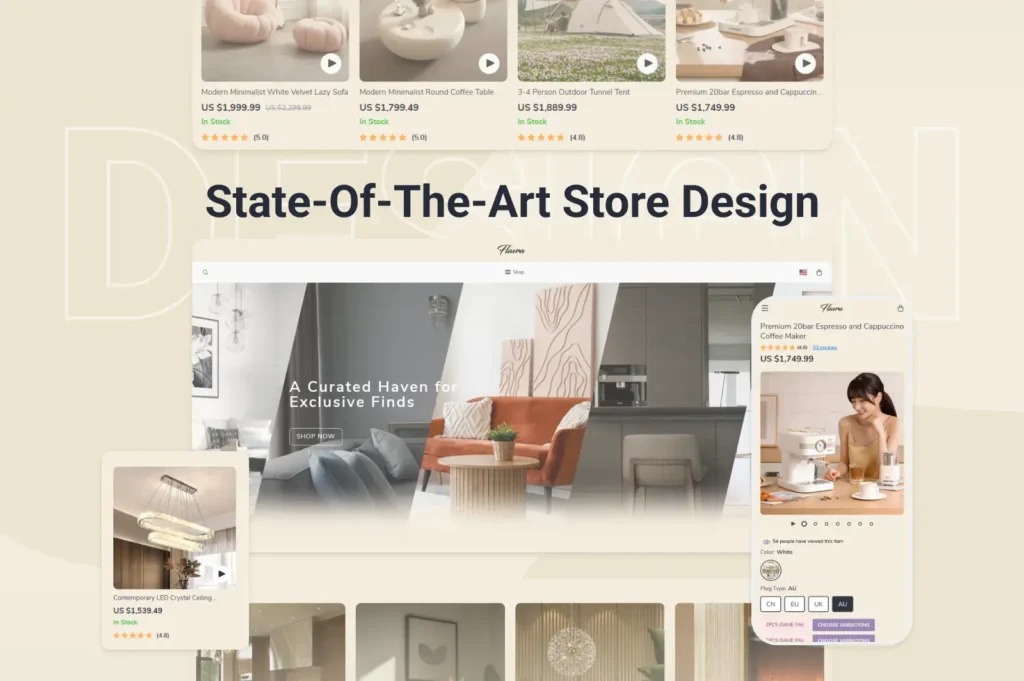
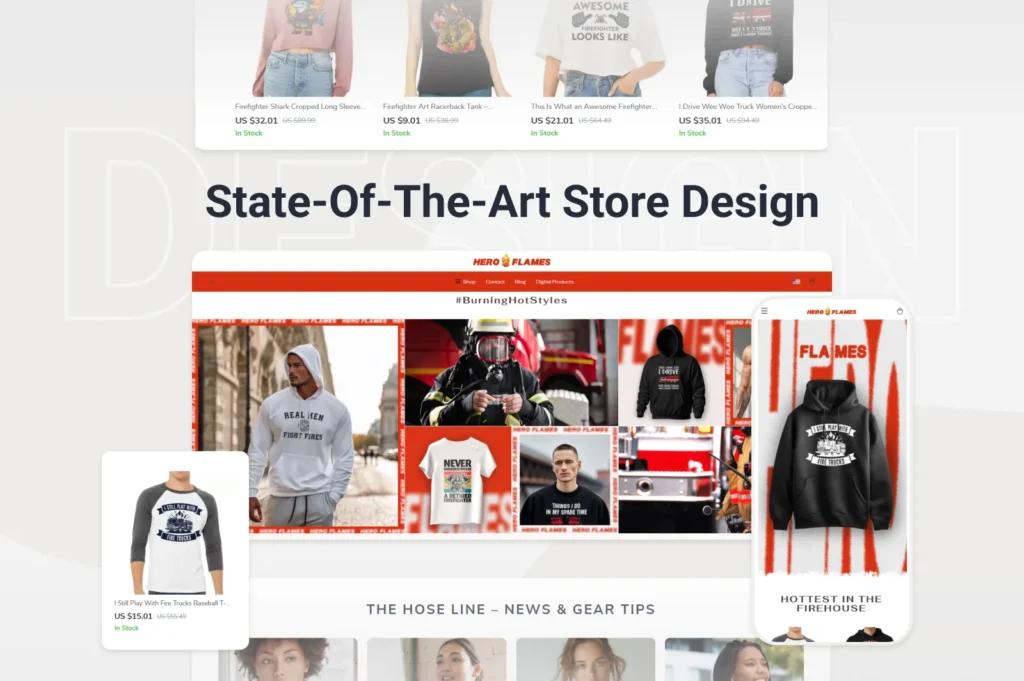
And Offiro stores are already built with these principles in mind. The layouts, the navigation, the product presentation are designed to guide visitors naturally toward making a confident purchase. You don’t have to reinvent the wheel or decode neuroscience papers. A lot of the hard work has already been done for you.
If you’re feeling inspired, go ahead: browse the Offiro catalog and see which store sparks that little “yes, this one” feeling. Your future customers’ brains might already be waiting for it.