Starting an online clothing brand in 2026 is more accessible than it’s ever been. You don’t need fashion school credentials, massive capital, or connections to manufacturers overseas. The infrastructure exists to launch an online clothing store with modest investment, and plenty of people are doing exactly that — successfully.
What’s changed is how you can approach launching. Traditional paths still exist — design your own line, find manufacturers, build everything from scratch. But alternative routes have opened up that let you enter the market faster and test demand without betting everything upfront.
This guide walks through both approaches: building a clothing brand the traditional way and taking advantage of modern shortcuts that make getting started significantly simpler. The right path depends on your goals, resources, and timeline.
How to Start a Clothing Brand in 14 Steps
1. Develop Your Fashion Design Skills
Fashion design skills matter if you’re creating original designs. But here’s the reality — plenty of successful clothing brands curate and market existing products rather than designing from scratch. Both models work.
If you want to design, you don’t necessarily need formal education. Online courses, YouTube tutorials, pattern-making software, and practice will get you functional skills. Focus on understanding fit, proportion, fabric behavior, and construction basics.
If you’re curating rather than designing, your skill becomes identifying what your target audience wants and presenting it appealingly. Product selection, styling, photography, and brand building become your focus instead of technical design.
Fashion Brand Business Models
Several business models exist for clothing brands, each with different capital requirements and complexity levels.
Custom design and manufacturing means you create original designs and work with manufacturers to produce them. This offers maximum creative control but requires significant upfront investment and inventory risk.
Print-on-demand lets you sell custom-designed apparel without holding inventory. When orders come in, the print provider produces and ships items. Lower risk, but also lower margins and less product control.
Curated retail involves selecting existing products from wholesalers or manufacturers and selling them under your brand. You’re not designing — you’re building a brand around product selection and customer experience.
Dropshipping for Clothing Brands
Dropshipping removes inventory management entirely. You list products in your store, customers order, and suppliers ship directly to them. You never touch the physical product.
For clothing specifically, dropshipping works well when you find reliable suppliers with quality products and reasonable shipping times. The model lets you test different styles and niches without buying inventory upfront.
This is where Offiro offers a significant advantage. When you acquire an established clothing store through Offiro, the dropshipping relationships are already set up and working. Suppliers are vetted, shipping is tested, product quality is proven. You’re stepping into operational systems rather than building them from scratch.
What Does It Cost to Start a Clothing Line?
Cost varies dramatically based on your model. Print-on-demand or dropshipping can start under $500 — website hosting, domain, basic marketing. Custom manufacturing typically requires $5,000-$20,000 minimum for initial production runs, samples, and inventory.
The smartest approach is often starting lean. Test demand with minimal investment, then scale as revenue grows. Spending significant money before proving people want what you’re selling is risky.
Acquiring an established store through Offiro changes this calculation entirely. You’re buying a business that already generates revenue, often with monthly payments covered partly by the store’s own profits. The capital requirement shifts from “money spent before earning anything” to “investment in a proven income stream.”
2. Identify Your Target Audience and Niche
The clothing market is enormous and highly competitive. Success comes from serving a specific audience really well rather than trying to appeal to everyone.
Your target audience definition should get specific. Not “women who like fashion” but “professional women 28-40 looking for workwear that transitions to evening” or “outdoor enthusiasts wanting sustainable activewear” or “plus-size men frustrated with limited stylish options.”
This specificity makes every decision clearer — which products to carry, how to price them, what marketing messages resonate, where to advertise. Vague audience definition makes everything harder.
Niche selection also reduces direct competition. You’re not competing with every clothing brand — you’re competing for your specific audience’s attention and dollars. That’s a much more winnable position.
3. Follow Fashion Trends
Understanding fashion trends helps you stay relevant, but slavishly following every trend isn’t necessary or smart for most brands. The key is knowing what’s happening and deciding what fits your brand and audience.
Trend research doesn’t require insider fashion connections. Follow fashion publications, watch what successful brands in your niche do, pay attention to what’s selling well on platforms like Instagram and TikTok. The information is accessible.
For eCommerce specifically, you want to balance trend-awareness with practical considerations. Some trends work better online than others. Some require inventory commitment that’s risky for small brands. Being selective about which trends you embrace matters more than chasing everything.
4. Build a Strong Brand
Your brand is how customers perceive you — your identity beyond just products. Strong branding creates loyalty, justifies better pricing, and makes customers remember you.
Brand building includes your visual identity (logo, colors, overall aesthetic), your voice (how you communicate), and your values (what you stand for). Consistency across all these elements creates coherent brand experience.
Start with clarity about who you are and who you serve. Your branding should appeal specifically to your target audience, not try to please everyone. Focused, authentic branding beats safe, generic branding every time.
When you acquire an established clothing store through Offiro, existing branding comes with the business. Visual identity, voice, customer perception — already established. You can evolve it based on your vision, but you’re starting from something that already resonates with customers rather than building recognition from zero.
5. Design and Develop Your Clothing Line
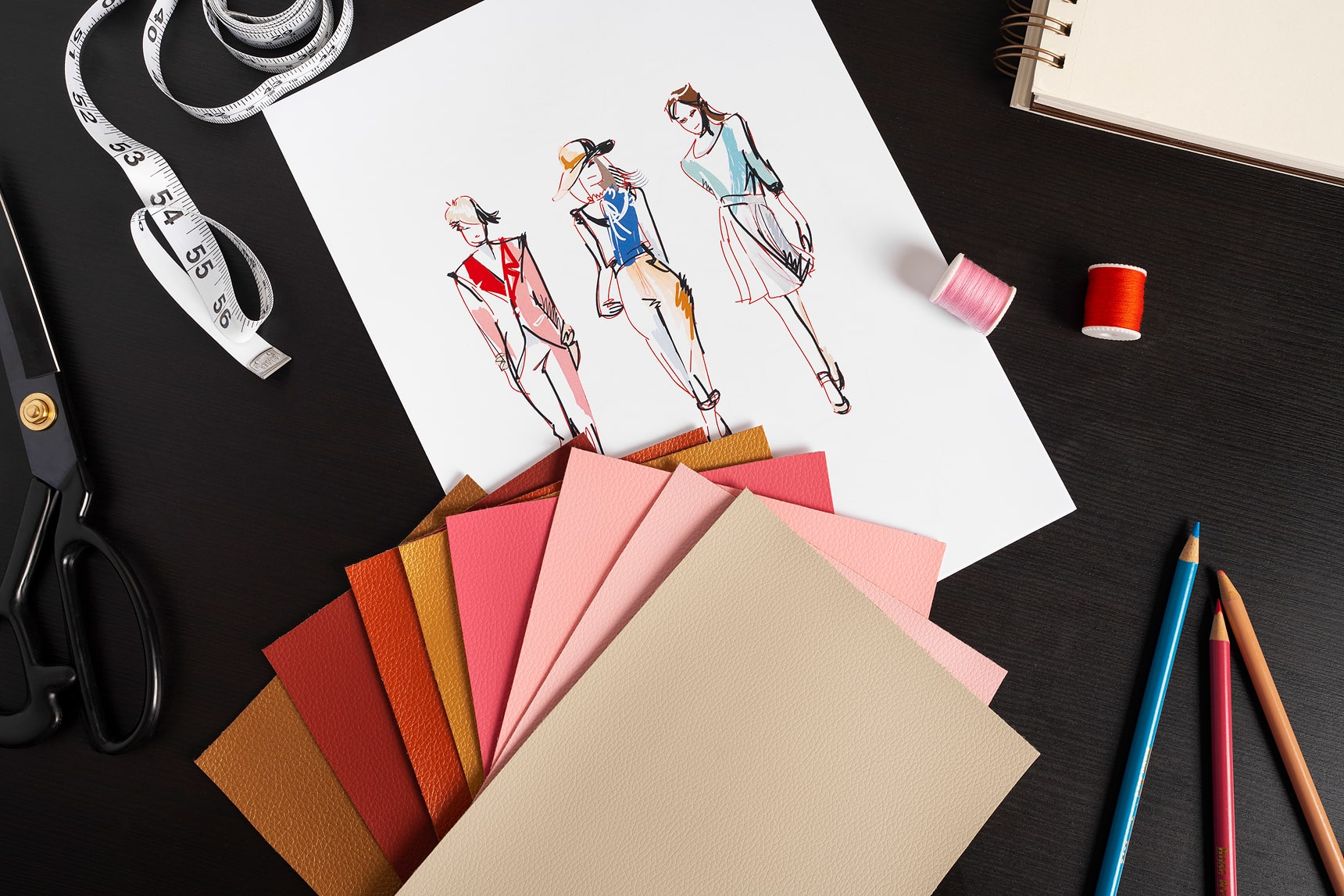
If you’re creating original designs, this phase involves sketching concepts, creating technical specifications, and developing samples. Start with a small, focused collection — 5-10 pieces maximum for your first launch.
Quality matters more than quantity initially. Better to launch with fewer items that are truly good than many mediocre products. Your first collection sets expectations for your brand.
If you’re curating rather than designing, product selection becomes your design phase. Choose items that work together cohesively and reflect your brand identity. Think about how pieces can be styled together and photographed as complete looks.
6. Source Fashion Fabrics or Design Your Own
For custom designs, fabric selection significantly affects final product quality and cost. Natural fibers like cotton, linen, and wool offer different properties than synthetics. Blends can provide benefits of both.
Fabric sourcing involves finding suppliers, ordering samples, testing how materials behave (shrinkage, color fastness, durability), and negotiating pricing for production quantities. This takes time and expertise.
The curated or dropshipping model sidesteps this entirely — you’re selling products where fabric selection already happened. This removes significant complexity from launching.
7. Set Up Production and Manufacturing for Your Clothing Line
In-House Production
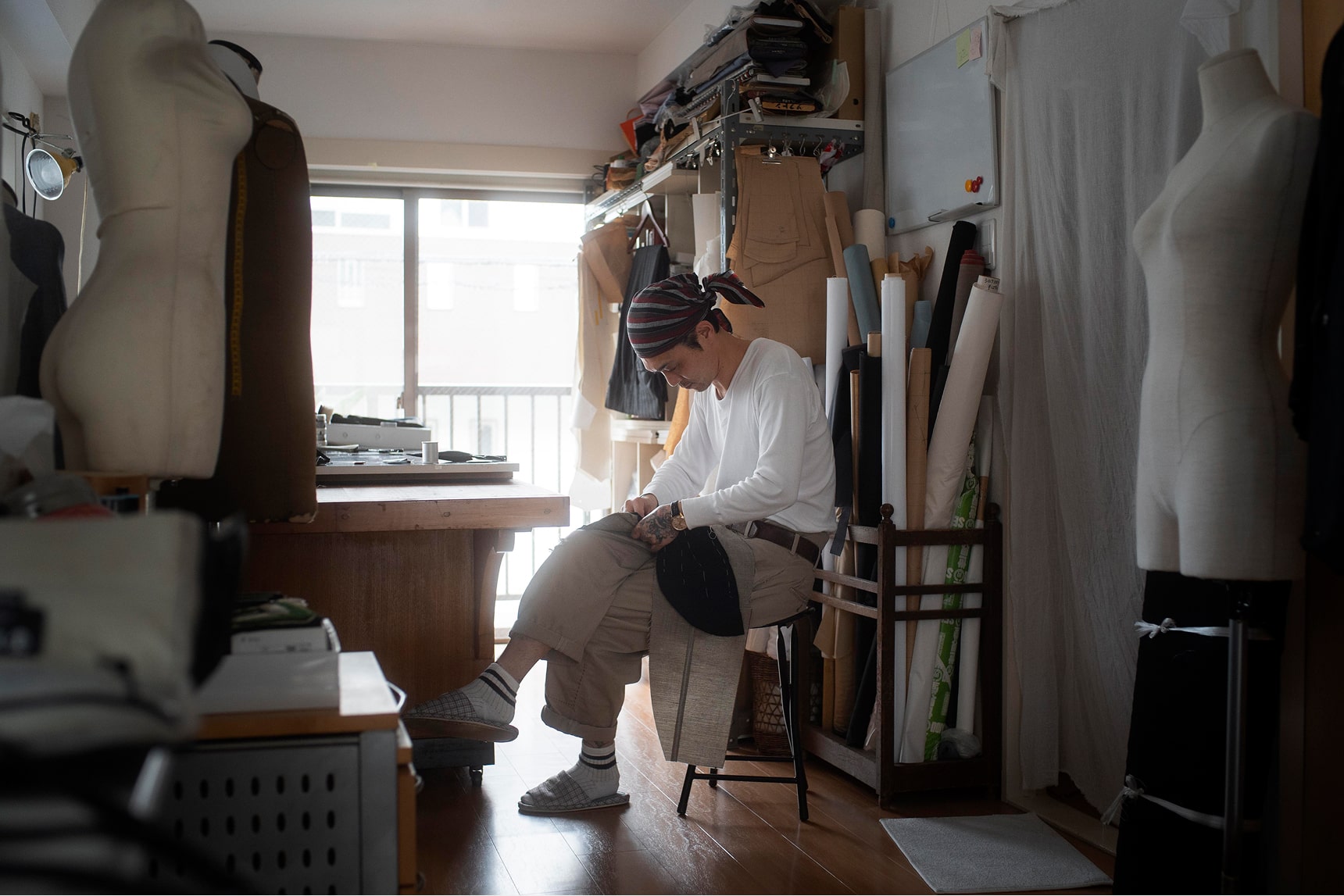
Small-scale in-house production works for some brands, particularly those emphasizing handmade or limited-edition products. You control quality and timeline completely but sacrifice scalability.
Working with Clothing Manufacturers
Most brands eventually work with manufacturers. Finding reliable manufacturers requires research, samples, communication about specifications, and quality control agreements.
International manufacturing often offers better pricing but introduces communication challenges and longer lead times. Domestic manufacturing costs more but provides faster turnaround and easier oversight.
Quality Control
Quality control prevents customer disappointment and returns. Whether producing in-house or through manufacturers, inspect samples carefully before approving production runs. Check stitching, fit, fabric quality, and finishing details.
The dropshipping model through platforms like Offiro eliminates these manufacturing complexities entirely. Products are already sourced, quality is tested, fulfillment is handled. You focus on brand and customer experience rather than production logistics.
8. Build Pricing and Inventory Strategies for Your Clothing Business
Pricing Your Clothing Line
Pricing needs to cover costs while remaining competitive and reflecting your brand positioning. Calculate cost of goods, shipping, payment processing fees, marketing costs, and desired profit margin.
Premium brands can charge more if branding and perceived value support higher prices. Budget brands compete on price but need volume to sustain margins. Know where you sit in the market and price accordingly.
Dropshipping or print-on-demand models eliminate inventory management entirely. No capital tied up in stock, no storage costs, no risk of unsold inventory. The tradeoff is lower margins and less control over shipping times.
9. Plan Your Collections Around Fashion Seasons
Traditional fashion operates on seasonal cycles — spring/summer and fall/winter collections. Some brands add resort and pre-fall seasons. Planning around these cycles helps align with customer buying patterns.
Evergreen Fashion Collections
Basics and staples that sell year-round offer stability alongside seasonal items. T-shirts, jeans, simple dresses — these evergreen products generate consistent revenue between seasonal pushes.
Balancing seasonal and evergreen products creates more predictable revenue. You’re not entirely dependent on seasonal spikes or struggling during off-seasons.
10. Pitch Your Clothing Line to Fashion Retailers
Consignment
Consignment means retailers display your products without buying inventory upfront. They pay you when items sell. Lower risk for retailers, but also lower commitment and potentially less prominent placement.
Wholesale
Wholesale involves selling to retailers at discount, typically 50% off retail price. They buy inventory upfront. You get immediate payment and wider distribution, but at significantly lower margins.
For most eCommerce-focused brands, direct-to-consumer sales through your own store generate better margins than wholesale. You keep more of each sale and build direct customer relationships.
11. Build an Online Clothing Store
Your website is your primary storefront if you’re selling online. It needs to look professional, load quickly, work well on mobile, and make purchasing easy.
Setting up Your Online Store
Platform choice matters. Shopify, WooCommerce, BigCommerce — all work for clothing stores. Choose based on your technical comfort level, budget, and specific feature needs.
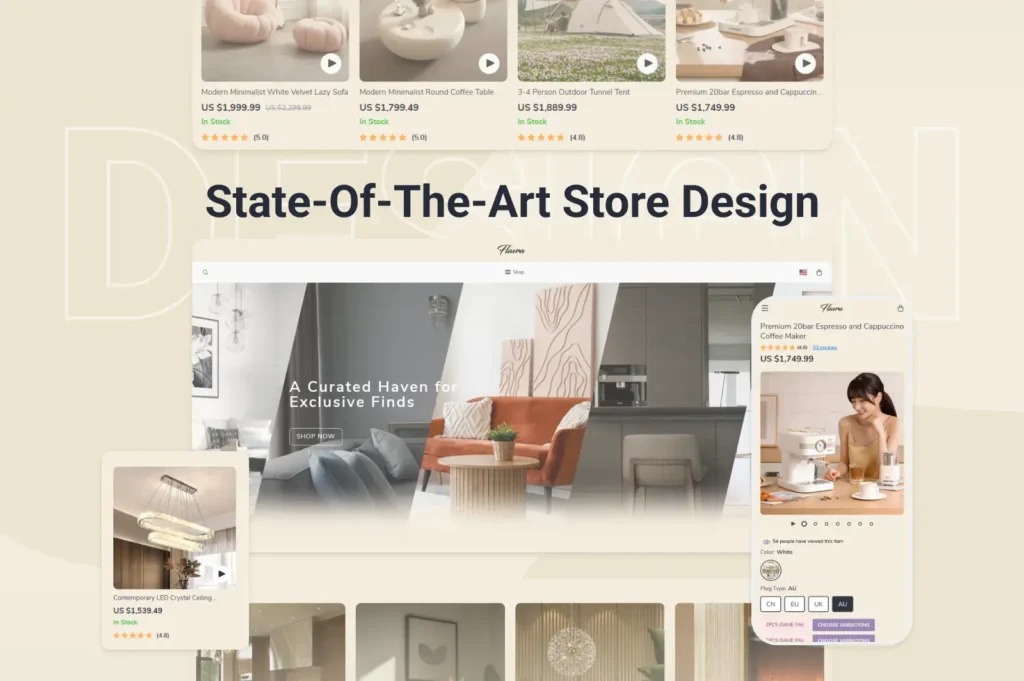
Offiro stores operate on Sellvia’s platform, which handles all technical infrastructure. The website is already built, optimized, and functional. You’re not choosing platforms or learning to build websites — you’re managing a store that already works.
Critical Pages for Your Online Clothing Store
Product pages need clear photos from multiple angles, detailed size information, fabric composition, care instructions, and styling suggestions. Missing information creates doubt that kills conversions.
About page, shipping policy, return policy, size guides — all essential for building trust and answering customer questions before they ask.
Photography for Clothing Brands
Product photography significantly affects conversion rates. Professional-looking photos showing fit, drape, and detail help customers visualize wearing the items.
Lifestyle photography showing products styled and worn creates aspiration. Mix clean product shots with styled lifestyle images for best results.
Established stores acquired through Offiro include professional product photography already. Images are optimized, products are presented well, visual standards are set. You’re starting with photography that already converts rather than learning product photography from scratch.
12. Market Your Clothing Business Online
Digital marketing for clothing brands typically involves social media (especially Instagram and TikTok for visual products), influencer partnerships, email marketing, and paid advertising.
Content marketing — styling tips, fashion advice, behind-the-scenes content — builds audience beyond direct selling. Customers follow for value, then buy when they need what you sell.
Start with organic social media and email marketing before investing heavily in paid ads. Build an audience and test messaging while spending minimally.
13. Open a Retail Store, Launch a Pop-Up, or Sell at Markets
Temporary Retail Space for Your Clothing Business
Pop-ups and market booths let you test physical retail without long-term lease commitments. They provide face-to-face customer interaction and immediate feedback on products.
Physical presence also builds local brand awareness and creates content opportunities. Photos and stories from in-person events feed your online marketing.
Many successful online clothing brands never open permanent retail spaces. The overhead and complexity often don’t justify the additional revenue. Focusing on eCommerce keeps operations simpler and more profitable.
14. Learn from the Pros
Study successful brands in your niche. What are they doing well? How do they present products? What marketing approaches do they use? How do they communicate with customers?
Learning from others accelerates your progress. You don’t need to invent everything from scratch — adapt proven strategies to your specific brand and audience.
Join fashion entrepreneur communities online. Others building clothing brands share insights, challenges, and solutions. This collective knowledge helps you avoid common mistakes and discover what actually works.
Design Your Own Clothing Line
Designing your own line offers creative satisfaction and complete control over your products. It also requires significant time, skill, and capital investment.
The design process involves sketching, creating tech packs (detailed specifications for manufacturers), sourcing materials, developing samples, testing fit, refining designs based on feedback, and finally producing inventory.
This traditional path works for people passionate about design itself and willing to invest the time and money required. If your passion is more about building a brand and business than creating original designs, alternative models like curating or dropshipping may fit better.
The Alternative Approach: Acquiring an Established Store
Everything described above assumes building from scratch. But there’s another approach gaining popularity — acquiring an established clothing store that already generates revenue.
This model eliminates most of the early uncertainty and heavy lifting. The store already has products, suppliers, customers, branding, website, systems. Revenue is proven, not projected. You’re buying a functioning business rather than betting on an idea.
Offiro specializes in this approach for eCommerce. Their marketplace includes established clothing stores with complete financial transparency, verified sales history, and operational documentation. You can see exactly what a business generates before deciding to buy it.
The financial structure makes sense too. A 14-day trial lets you run the business firsthand before committing. If you proceed, payments spread over ten months while the store continues generating profit. The business essentially helps pay for itself.
For people who want to own a clothing business more than they want to design clothes from scratch, this path offers significant advantages. You skip months of setup and testing. You start with proven products and processes. You focus immediately on growth rather than validation.
Ready to start your clothing business without years of setup? Browse Offiro’s verified listings of established online clothing stores generating real revenue. Each store includes complete operational systems, proven products, existing customers, and professional branding. Start your 14-day trial to experience running an actual clothing business before committing to purchase. All Offiro stores operate on Sellvia’s platform with infrastructure designed for immediate profitability and sustainable growth.
by Stacey Kincaid
Stacey spent years as Chief Editor at eCommerce companies, where she developed strategies for major brands and learned firsthand what actually drives online sales. Having seen what works and what's just marketing fluff, she now writes for Offiro to share the tactics that genuinely move the needle for eCommerce success.
link copied
Ready to sell iconic brands?
Outdoor lifestyle & travel solutions
Our business advisors will show & explain all the steps!