When running your own store, it’s natural to focus on your own operations. Yet, one of the best ways to grow is to learn from others. Your competitors have already tested marketing tactics, explored different pricing options, and discovered what connects with your shared audience.
Research shows that businesses that regularly monitor their competitors are up to 20% more likely to report revenue growth. By knowing how others attract customers, convert traffic, and build loyalty, you gain valuable insight into the market’s direction.
Competitor analysis gives you an important advantage — understanding. By turning observation into strategy, you can move from following the crowd to leading it.
What Competitor Analysis Really Means

Competitor analysis is a structured way to evaluate other businesses in your field. It helps you understand their strengths, weaknesses, and overall positioning.
With a proper analysis, you can answer essential questions such as:
- Who targets the same customer base as you?
- Which marketing strategies do they use?
- What is your current position and what steps can you take to improve it?
There are many ways to study your competitors, which we’ll mention in this article. But before diving in, it’s useful to know that competitors fall into two categories: direct and indirect. You’ll want to pay attention to both.
| Direct competitors | Indirect competitors | |
| Who are they? | Companies offering the same or nearly identical products to the same audience. | Businesses offering different products that serve the same purpose or fulfill the same need. |
| Example | You sell wireless earbuds, and another store sells similar models at comparable prices. | A brand that sells wired headphones or Bluetooth speakers to music lovers. |
| Why analyze | To learn what your closest rivals do well and where they fail. | To anticipate shifts in consumer behavior and spot potential threats or emerging opportunities. |
Why Competitor Analysis Matters

Most established companies keep tabs on their competition and it’s very likely that some are already analyzing your business, too. Staying informed allows you to react faster, make better choices, and uncover opportunities others might miss.
Here are a few moments when competitor analysis becomes especially valuable:
1. Starting a New Business or Entering a New Niche
Before launching, take time to evaluate the market landscape. You’ll likely face one of two situations:
- Few or no competitors: This might look like an open field, but dig deeper. The absence of competition can also mean limited demand, small target audiences, or legal and logistical barriers.
- Many competitors: A busy niche signals strong demand but also tighter competition. To earn your place, you’ll need a clear unique selling proposition (USP), a focused marketing plan, and readiness to invest effort and time.
2. Creating Your Unique Selling Proposition
Understanding how other brands communicate and what customers say about them helps you identify your advantages.
Example:
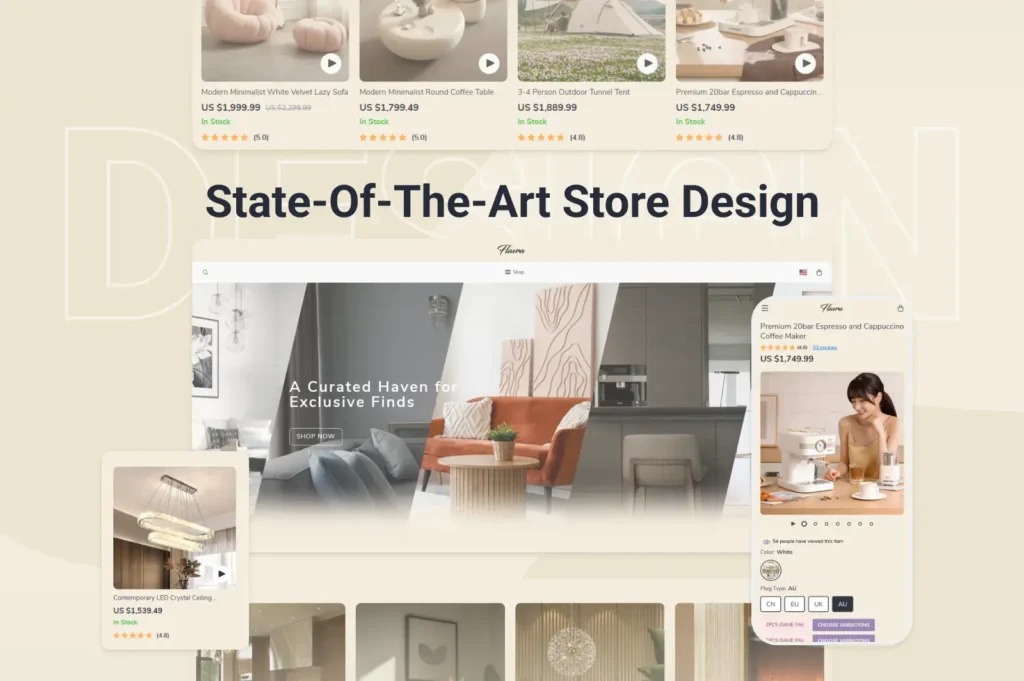
When Lauren, founder of Flavra.com, started researching home decor stores, she noticed that most sold random trendy pieces that didn’t fit together stylistically. She used this insight to build a store centered on cohesive interior collections — where every product matched a distinct design theme. This difference became her strongest selling point.
3. Setting a Pricing Policy
Studying competitor pricing helps you define your position, whether you want to target budget-conscious buyers or premium customers. But avoid copying price tags directly. What works for others may not align with your costs or strategy. Use their prices as benchmarks, not rules.
4. Building a Promotion Strategy
Your competitors’ marketing gives you clues about what connects with your shared audience. Explore their content, tone, and keyword choices. See what posts drive engagement and where they fall short. Each weakness in their communication is a chance for you to do better.
Competitor analysis turns your observations into insights and helps you plan smarter and grow faster.
How to Conduct Competitor Analysis

Competitor analysis works best when done methodically. Here’s a step-by-step process to keep your research structured and useful:
1. Define Your Goals
Start by clarifying what you want to discover — new product opportunities, pricing insights, or better marketing strategies.
When Flavra.com began its research, the goal wasn’t just to list competitors. Lauren wanted to understand why customers bought from others and what was missing from their experience. That clarity led to a sharper, more effective business plan.
2. Identify the Right Competitors
Focus on the most relevant players — the ones your target audience also considers. Five to ten competitors are usually enough. Avoid spreading your attention too thin across dozens of businesses.
3. Choose What to Analyze
Include these areas in your checklist:
- Product range and quality
- Market share
- Pricing strategy
- Positioning and branding
- Marketing channels
- Tone of communication
- Customer reviews and feedback
4. Gather Data from Multiple Sources
Use a mix of:
- Review platforms for customer sentiment
- Official websites for product and pricing info
- Social media for tone and engagement levels
- Media and blogs for public perception
- Surveys and polls to understand the audience directly
5. Evaluate the Findings
Organize your data and highlight each competitor’s strong and weak points. This helps you see where they excel and where opportunities open for your store.
6. Compare and Find Opportunities
Look at how your business stacks up. What advantages do you have? Which areas can you improve? These insights help shape your priorities.
7. Build and Execute Your Strategy
Use what you’ve learned to enhance your offer, adjust your pricing, or refine your marketing approach. Turn information into action.
8. Review and Adapt Regularly
Markets evolve quickly. Keep tracking your competition, measuring your results, and fine-tuning your approach. Staying flexible keeps you ahead.
Conclusion: Win by Understanding the Market

Competitor analysis is all about insight. By studying how other businesses operate, you learn what drives success and where your own opportunities lie. Every bit of knowledge can strengthen your decisions.
At Offiro, we make that easier. Each ready-made store in our catalog comes with real performance metrics, transparent data, and access to expert support. You can see how your business performs, understand market trends, and grow with confidence.